Green

Green

As manufacturing efficiency advances, environmental considerations are integrated into system design. Across energy, materials, processes, and supply networks, a structured approach is established—one that enables operations to be continuously understood and optimized. Through renewable energy and digital management, energy use becomes visible and controllable. At the same time, material choices are improved at the source, while ongoing process optimization ensures a better balance between performance and resource use.

Driving Low-Carbon Operations through Sustainable Power

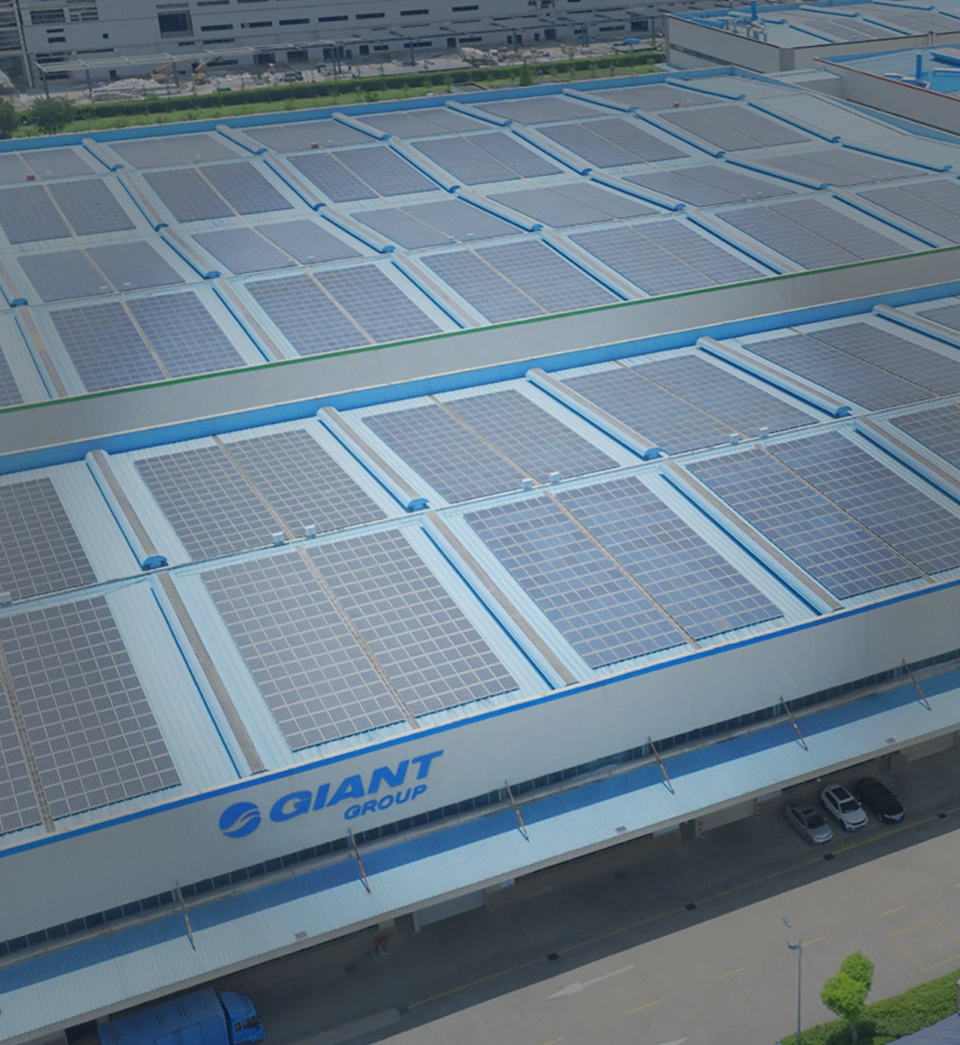
Energy is managed as part of manufacturing operations rather than a standalone utility. Across global sites, rooftop solar systems are integrated into energy infrastructure, with installation rates reaching 31.7% at Giant Group Taiwan Manufacturing. At Giant Group China Kunshan Manufacturing, annual solar generation reaches 5.15 million kWh, covering around 21% of total electricity demand. Photovoltaic canopy systems further combine solar generation, EV charging, and grid feedback within a single setup, improving local energy use and system efficiency. A SCADA-based platform enables real-time monitoring with one-minute updates, supporting continuous analysis of energy use. High-energy equipment is adjusted toward demand-based operation, reducing press motor runtime from 8 hours to 4 hours. Renewable energy integration with digital systems supports more efficient and responsive manufacturing operations.

Advancing Process Efficiency through Engineering Innovation

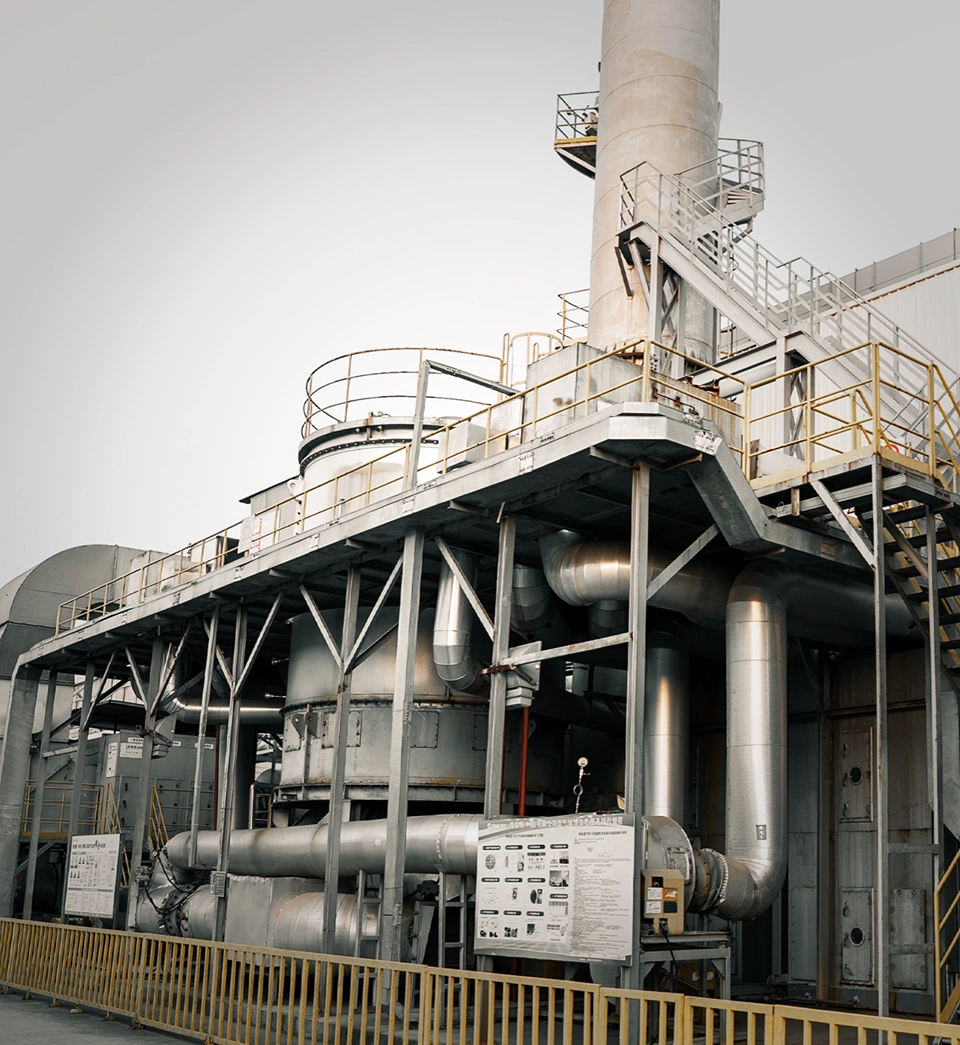
Resource efficiency is improved through engineering optimization, thermal management, and process redesign. Recovered cooling energy from liquid nitrogen and argon vaporization saves approximately 141,000 kWh annually, while waste heat from air compressor systems is converted into process steam, recovering energy equivalent to 711 tons of steam usage each year. Optimization further extends into production layout and equipment operation. Through spatial consolidation and variable-frequency upgrades, exhaust and heating demand in the coating process has been reduced by 57% while maintaining production quality. Combined with broader equipment efficiency improvements, individual manufacturing sites can achieve additional annual electricity savings approaching 300,000 kWh. By integrating energy recovery with process optimization, manufacturing efficiency and resource circulation are enhanced in parallel.

Reframing Product Foundations with Recycled Materials

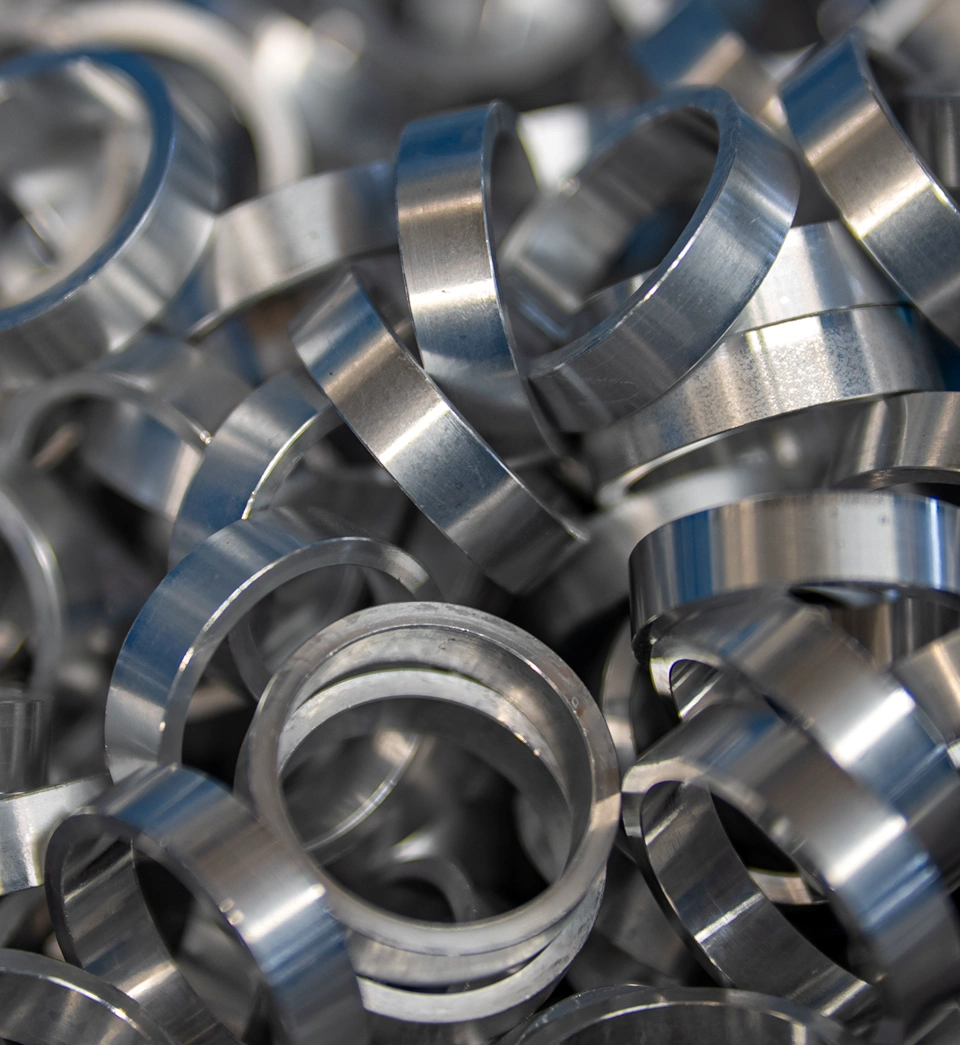
Material selection is the starting point for addressing environmental impact in product development. Product design focuses on high-carbon materials and packaging, with upstream improvements through low-carbon aluminum and material optimization. Hydro-powered aluminum and pre-consumer recycled aluminum reduce carbon intensity to about half or lower than conventional coal-based aluminum. Recycled aluminum content is increased to 40–45%, while maintaining structural strength and performance, further lowering lifecycle emissions. Packaging and supply chain practices are also optimized. Responsible sourcing supports material substitution, with plastic-free packaging reaching 81–89%. Reusable transport containers are used with around 36 suppliers, reducing single-use packaging and saving approximately 244 tons of cardboard annually at a single manufacturing site. This approach shifts carbon reduction from process optimization to upstream material and supply chain design.

raise the bar

Investor Relations

Better Together

Giant Group has always been a leader in the bicycle industry, our stable financials reflective of our effort. Our steady profits and stock prices allow us to stand tall in hours of challenges, helping us shape a better tomorrow for all cyclists.