Lean

LEAN : Drive Resilience Amid Market Volatility

Manufacturing is becoming more volatile, with shorter product cycles and increasing demand complexity. Traditional systems struggle to stay efficient under rapid change. Lean manufacturing responds to this shift by reducing waste, improving flow, and strengthening coordination across the value chain. It enables a system that remains stable, flexible, and efficient under complexity, from design to delivery.

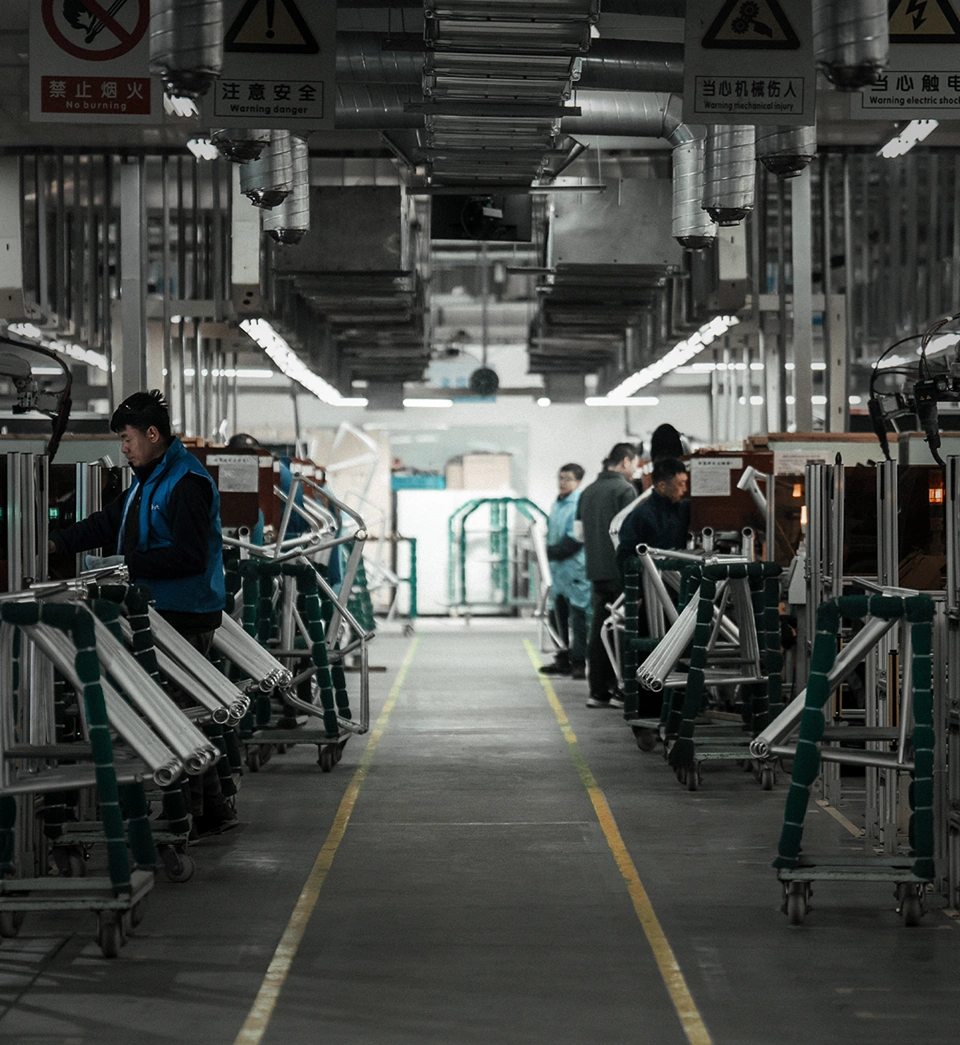
Seamless Flow

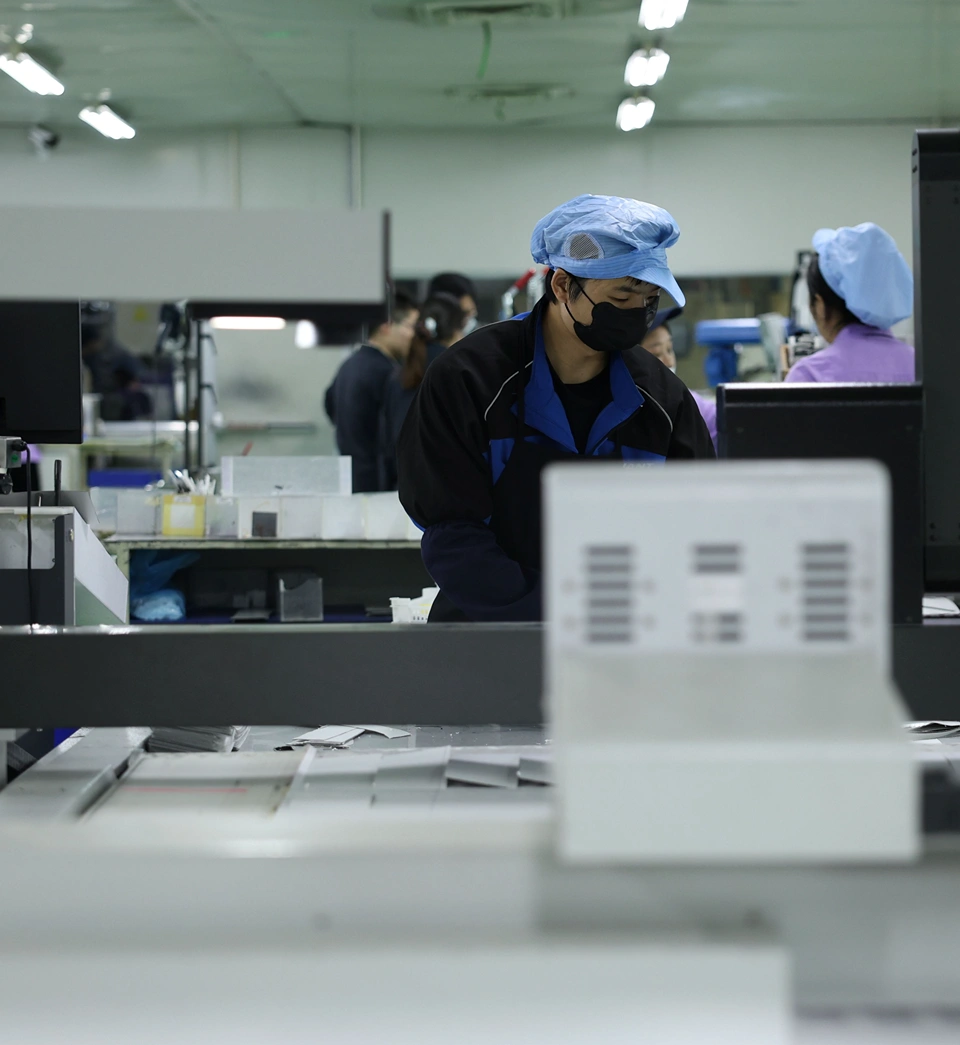
At the core of LEAN is the ability to maintain smooth and stable production flow. Through optimized line configuration and synchronized material planning, components, information, and processes move forward in a consistent rhythm—reducing waiting time, unnecessary handling, and in-process stagnation to create a more direct and efficient manufacturing flow. In practice, we implement One Piece Flow and Set Flow systems, enabling components to move according to actual production demand rather than batch accumulation. Material loading and scheduling are precisely aligned with different process lead times, significantly reducing excess inventory and operational imbalance across the production floor. Through flow-oriented and synchronized manufacturing operations, we have reduced overall supply lead times by more than one-third, strengthening production responsiveness, operational efficiency, and manufacturing flexibility.

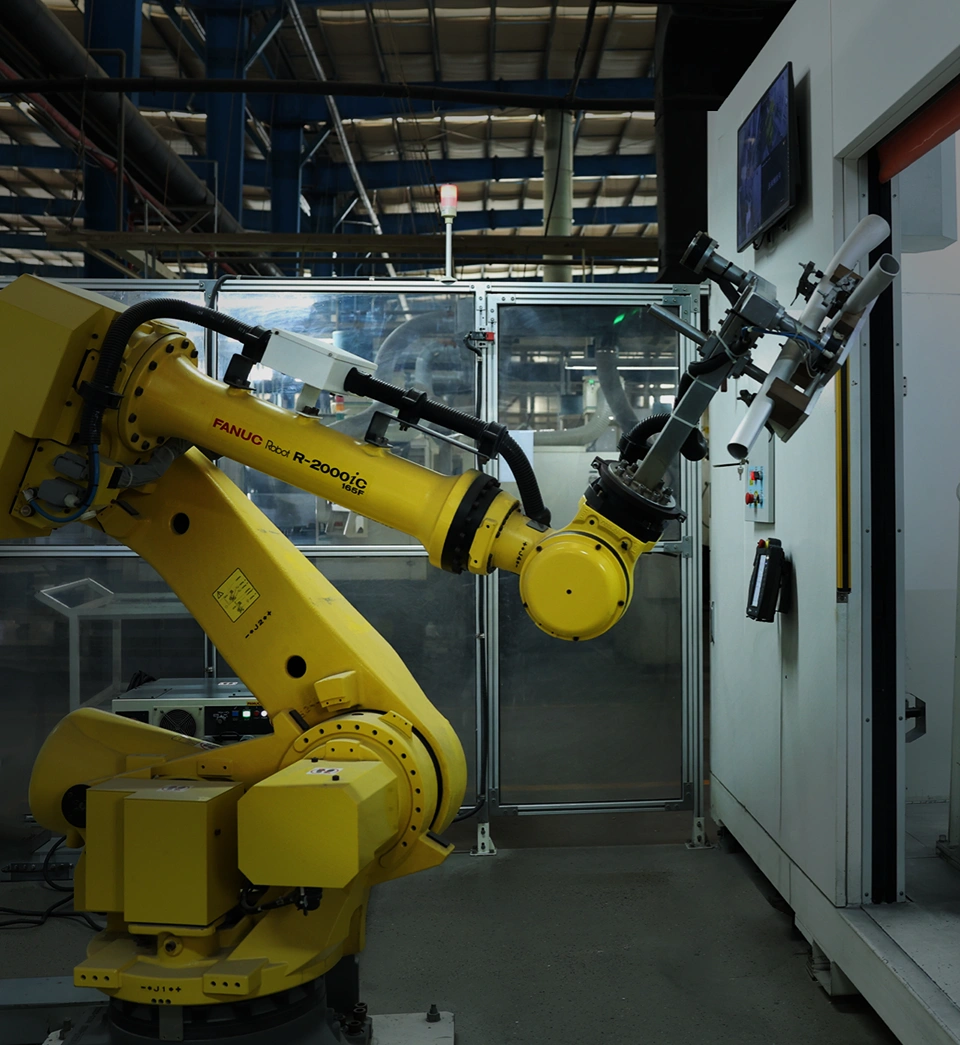
Precision Forming

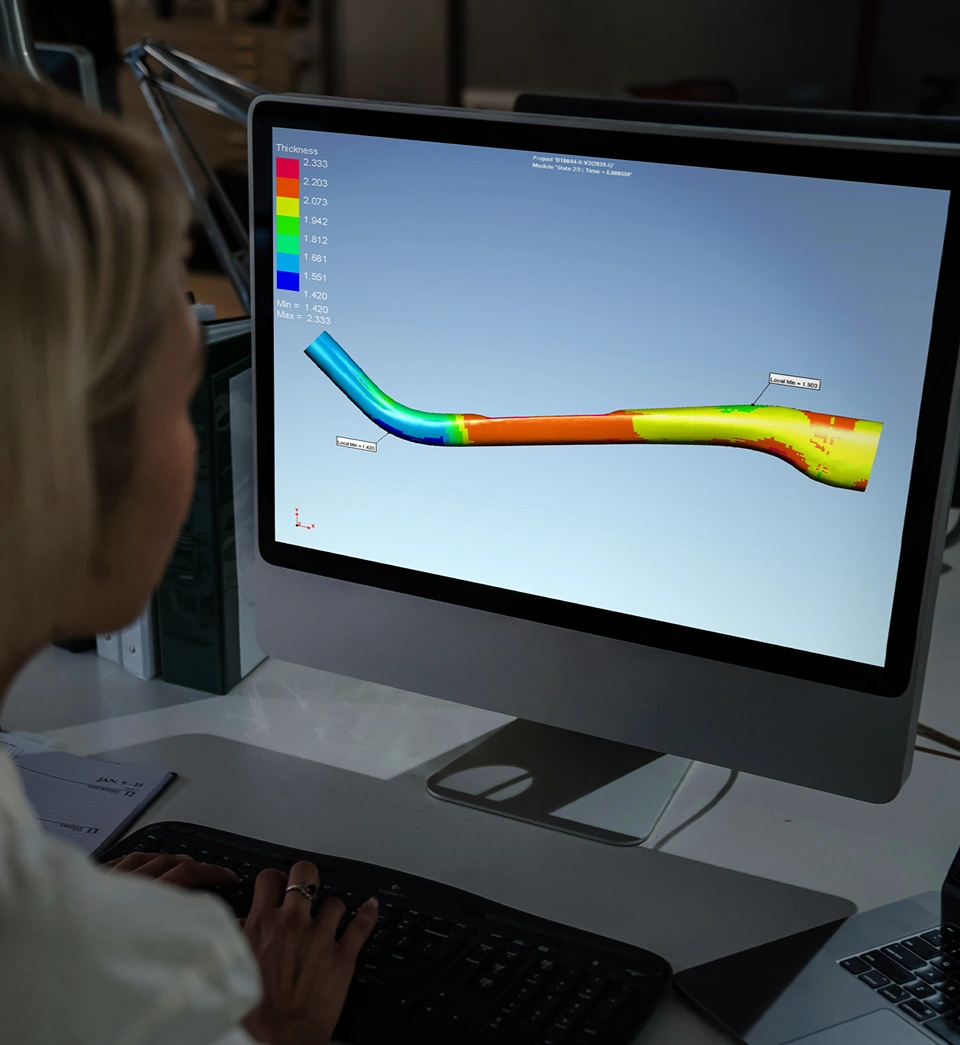
To meet the demands of a high-mix, low-volume market, we integrate Lean Thinking early into the product development stage, focusing on the efficiency of aluminum tubing through DFM (Design for Manufacturing). By leveraging 2D/3D overlay analysis, we quickly identify common structural characteristics across different models to implement "Universal Tooling" (multi-model compatibility for molds and fixtures). This significantly consolidates tooling investment and reduces development costs. During the synchronized optimization of design and process, we utilize simulation analysis to pre-emptively eliminate risks such as wrinkling or cracking, ensuring high stability before mass production. By optimizing tube geometry and structure, we successfully reduced the manufacturing lead time by 50%, significantly enhancing our agility in customized production. This minimalist development model eliminates unnecessary material and time waste at the source. It not only lessens the burden of repetitive prototyping but also allows limited resources to generate maximum value through highly integrated engineering.

Synchronized Collaboration

LEAN extends beyond factory operations into close collaboration with customers and supply chain partners. Through simultaneous engineering, development, manufacturing, and supply activities can progress in parallel with greater speed and alignment. From the earliest product concept stage, we work closely with strategic partners through shared data, two-way communication, and integrated engineering coordination. Supported by 3D simulation and manufacturability analysis, product designs can be optimized earlier to reduce material waste, simplify production processes, and improve production readiness. Compared with traditional sequential development models, this synchronized approach reduces repeated revisions and downstream adjustments while improving execution efficiency across teams. Through real-time collaboration across engineering and supply networks, overall product development cycles have been reduced by more than 10%, while maintaining on-time development rates above 90%. From concept validation to mass production, every stage operates with greater agility, responsiveness, and manufacturing efficiency.

Lean Culture

LEAN is not only about process optimization, but also about disciplined execution. We believe that stable and efficient manufacturing systems are built through daily attention to detail, continuous improvement, and strong operational accountability. To support this mindset, we practice Daily Accountability—ensuring that issues and tasks are addressed and resolved within the same day, rather than being carried into the next process stage. Through daily review, immediate response, and continuous improvement, production operations remain organized, stable, and highly responsive. This disciplined culture strengthens both quality consistency and rapid response capability, embedding lean principles into the shared operational mindset across Giant Group’s global manufacturing network.

raise the bar

Investor Relations

Better Together

Giant Group has always been a leader in the bicycle industry, our stable financials reflective of our effort. Our steady profits and stock prices allow us to stand tall in hours of challenges, helping us shape a better tomorrow for all cyclists.